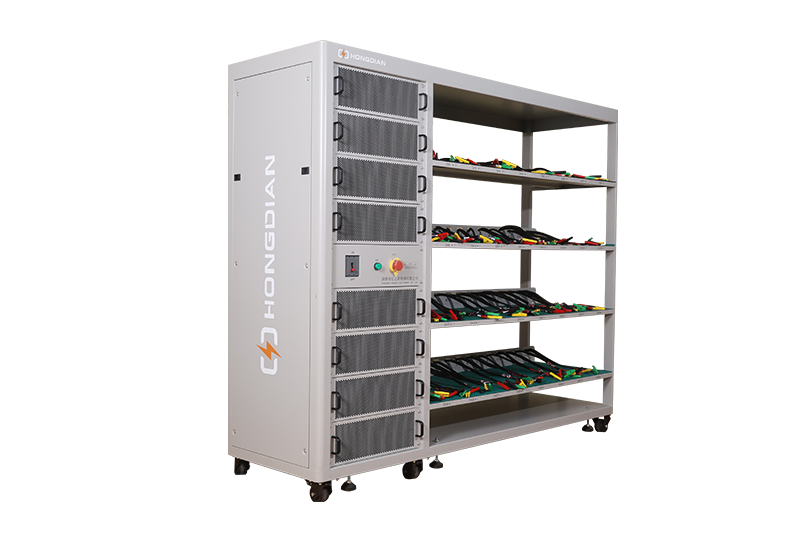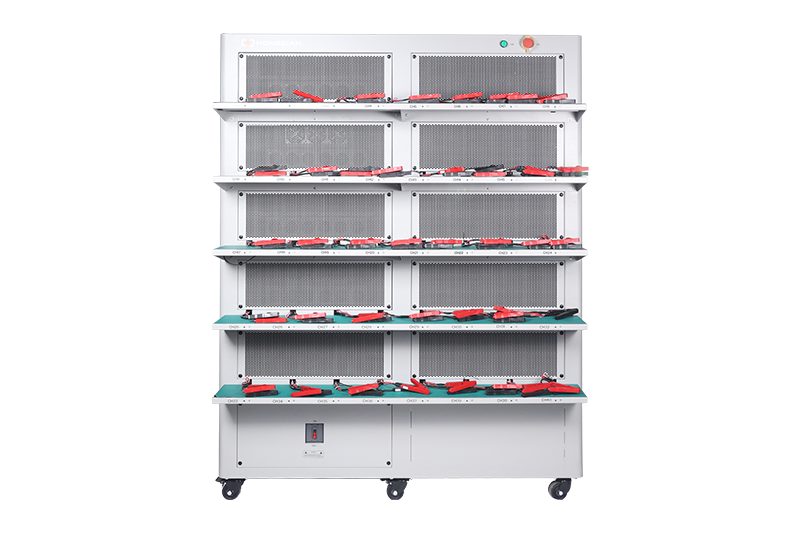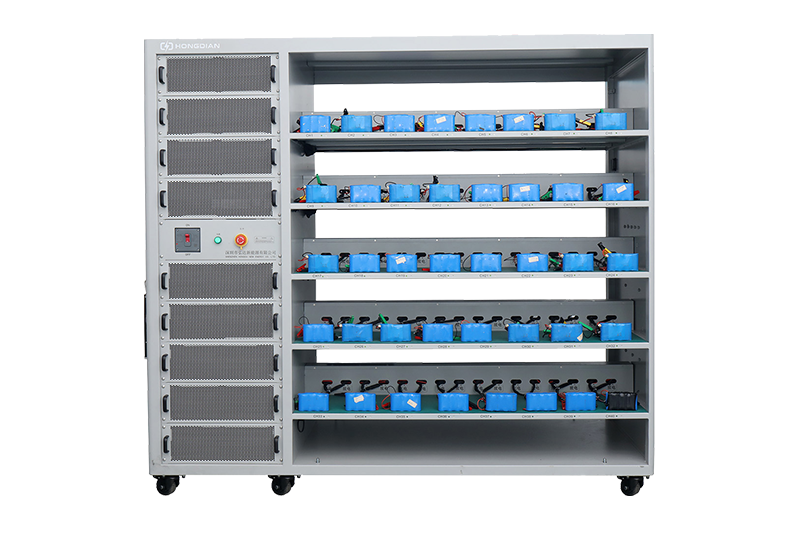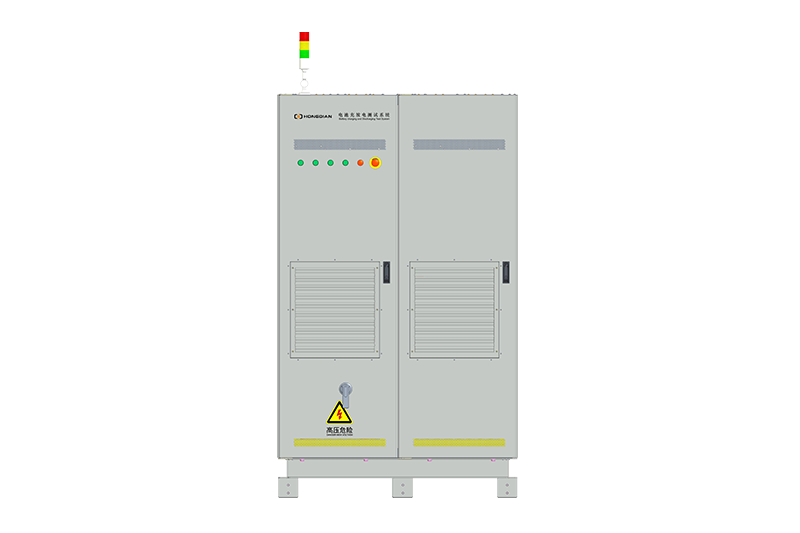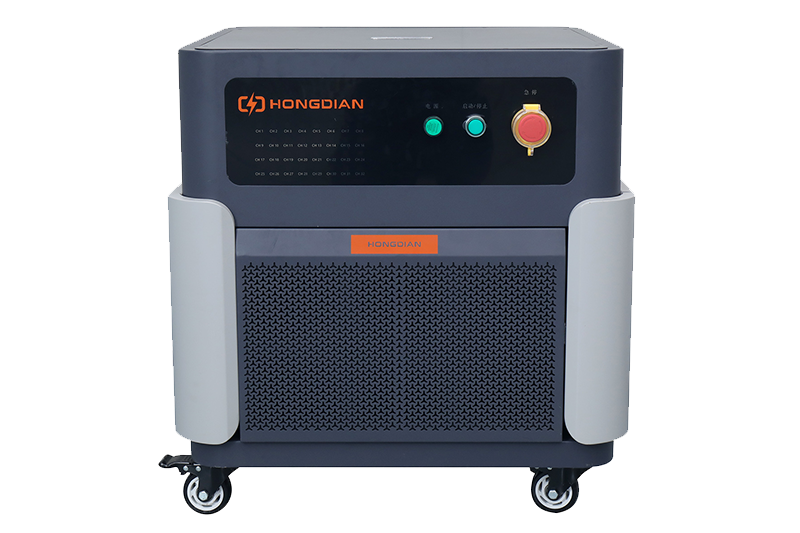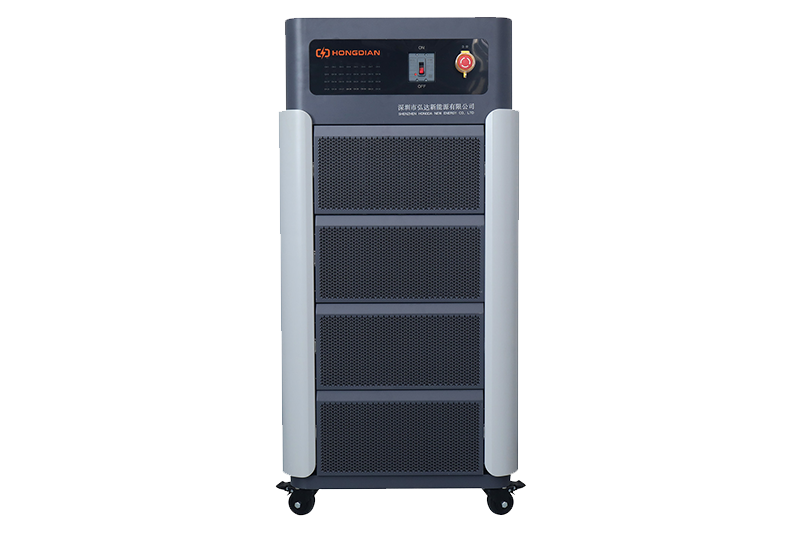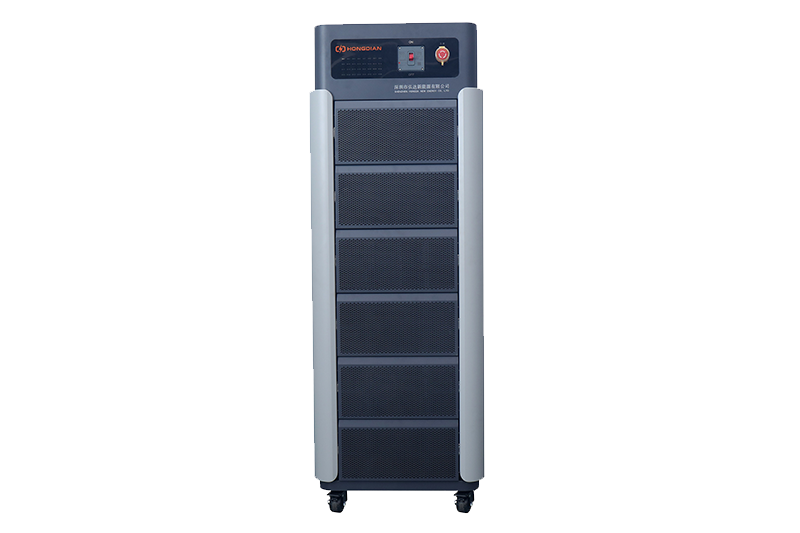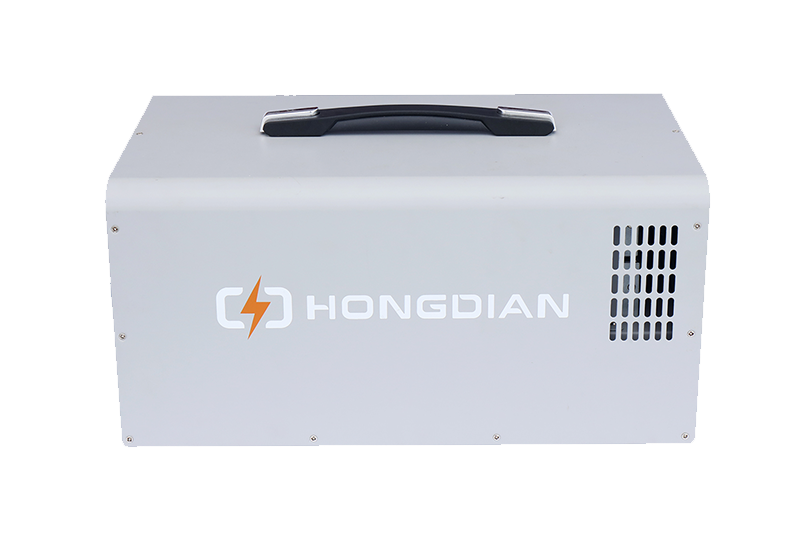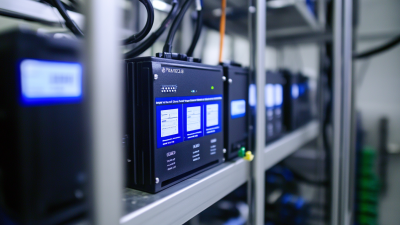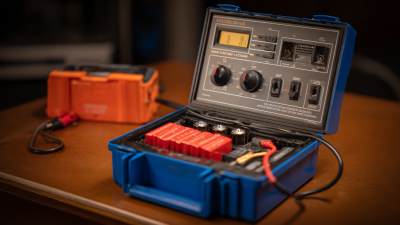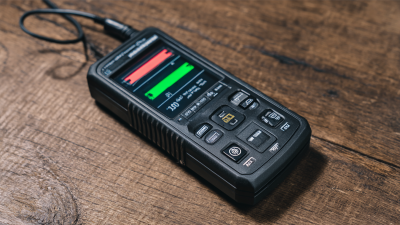
32/48 channel battery charging and discharging test integrated battery cabinet
40 channel battery charging and discharging test integrated battery cabinet
64 channel battery charging and discharging test integrated battery cabinet
80 channel battery charging and discharging test integrated battery cabinet

You know, with everyone really pushing for better energy efficiency and improved performance, the battery industry is going through quite a bit of change lately. One area seeing a lot of buzz is the development of new and innovative Battery Cell Cyclers. These tools are pretty important—they help test and develop battery cells, making sure everything meets the tough standards before things go out into the real world. As Shenzhen Hongda New Energy Co., Ltd. keeps growing and serving over a thousand customers across different countries and regions, the need for smarter, more advanced Battery Cell Cyclers is becoming even more crucial. In this blog, we’ll explore different types of Battery Cell Cyclers and see how these cool innovations can boost performance and sustainability in energy storage. Ultimately, it’s all about helping a global audience that’s really committed to finding the best energy solutions out there.
Battery cell cyclers are pretty essential when it comes to boosting energy efficiency because they mimic the real-world conditions that batteries usually face during operation. You know, the way batteries like lithium-ion and newer sodium-ion tech perform can really change depending on how you charge and discharge them. Recent research has taken a closer look at how different battery chemistries perform electrically, and it’s been pretty eye-opening. For instance, high-capacity alkaline metal aqueous redox flow batteries have shown that they can handle cycling pretty stably, which makes them promising options for large-scale energy storage.
As scientists and engineers push forward, we're also seeing newer alternatives to the classic lithium-ion batteries start to gain traction. Sodium-ion batteries, especially designed for utility-scale use, are catching attention because they’re more sustainable. In all this, having good battery cell cyclers becomes even more important—they give us detailed insights into how these batteries behave under different conditions. That kind of data is super helpful for optimizing design and performance. All in all, these advancements are helping us move toward better energy storage tech and making the shift to renewable energy a lot smoother.
| Dimension | Value | Unit |
|---|---|---|
| Cycle Life (LFP) | 3000 | Cycles |
| Efficiency (Charge/Discharge) | 95% | Percentage |
| Temperature Range | -20 to 60 | °C |
| Weight | 150 | g |
| Max Charge Current | 4 | A |
| Max Discharge Current | 5 | A |
| Voltage Range | 3.0 to 4.2 | V |
| Battery Pack Configuration | 10S4P | Setup |
You know, traditional Battery Cyclers have quite a few limitations that really hold back their performance and overall efficiency. One of the biggest issues is how tricky it is to accurately estimate the capacity of lithium-ion batteries—something that’s super important for keeping things safe and reliable. Recently, folks have been paying more attention to this thing called therelaxation voltage curve. Turns out, if you get the modeling right during that first cycle, you can actually get a much better grip on how the battery’s capacity changes over time. That’s pretty exciting because it could really help make batteries last longer and work more reliably, especially now that electric vehicles and energy storage are becoming so popular.
Plus, there’s some cool stuff happening with new materials for batteries. For example, scientists are exploring organic electrolytes for zinc anodes to tackle issues like instability and efficiency. These advancements also point to the importance of structural tweaks—like looking into how solvents behave—to make zinc-based batteries more durable. And on the tech side, using artificial intelligence for battery diagnostics is showing a lot of promise. It could really boost system resilience, helping us shift toward smarter, more sophisticated energy storage solutions. Overall, focusing on these innovations is the way forward if we want to overcome the old-school limitations of traditional battery cyclers.
When it comes to boosting energy storage systems, especially with the surging popularity of electric vehicles, innovative battery cycling techniques are a game-changer. Lately, there’s been some pretty exciting progress with new materials and design tweaks that could really make batteries last longer and perform better. For example, silicon anodes are catching a lot of attention because they can boost energy density and make battery cycles more stable — stuff that’s crucial for EVs. Researchers are even experimenting with tiny silicon-based nanostructures, which seem to improve electrochemical performance by over 30%. That’s a huge step forward in developing the next-gen super batteries.
You know, as our demand for energy storage keeps climbing, developing new and better battery tech is more important than ever. I came across this report from BloombergNEF that predicts the global battery market could zoom past $2.2 trillion by 2030 — crazy, right? That really opens the door for innovative solutions that can boost energy efficiency. One of the exciting developments is lithium-sulfur batteries. They’re catching on because they boast a theoretical energy density of around 2,600 Wh/kg, which is almost five times higher than traditional lithium-ion batteries. If this pans out in real-world use, it could make energy storage systems way lighter and cheaper — a game-changer for everything from electric cars to renewable energy setups.
Then there are solid-state batteries, which are another hot topic. Unlike what we’re used to, these batteries replace the liquid electrolyte with a solid one. The International Energy Agency suggests they could pack up to 50% more energy and be safer and longer-lasting, tackling some of the main issues with the current lithium-ion tech. Plus, companies like QuantumScape have been making strides—they’ve reported that their solid-state cells can handle over 800 charge cycles and still keep over 80% of their capacity. That's pretty impressive, right? All in all, it feels like the industry is really shifting toward smarter, more durable energy storage options, which bodes well for a more sustainable future.
As the need for more energy-efficient solutionskeeps climbing, the battery cycler industry is on the verge of some pretty exciting changes. According to top market analysts, the global market for Battery Testing gear—including those handy battery cyclers—is expected to grow quite a bit, reaching around$1.5 billion by 2028. That's driven by an annual growth rate of about 8.4% from 2021 to 2028. So, why all the buzz? Well, it’s mainly because more and more applications—like electric cars, renewable energy storage, and gadgets—are demanding faster and more precise battery testing to keep up with the times.
Looking ahead, the development of battery cyclers is leaning toward cutting-edge tech that tweaks performance and boosts sustainability. Think about using smarter algorithms or even artificial intelligence to optimize how batteries charge and discharge—this not only makes things more efficient but also cuts down energy waste. Plus, there's buzz around integrating solid-state battery tech, which some studies say could pack up to 500 Wh/kg. That's a game-changer in terms of how much energy these batteries can store, making energy systems way more effective. All that stuff is pointing toward a future where our energy solutions are smarter, greener, and better suited for what we need now and down the road.
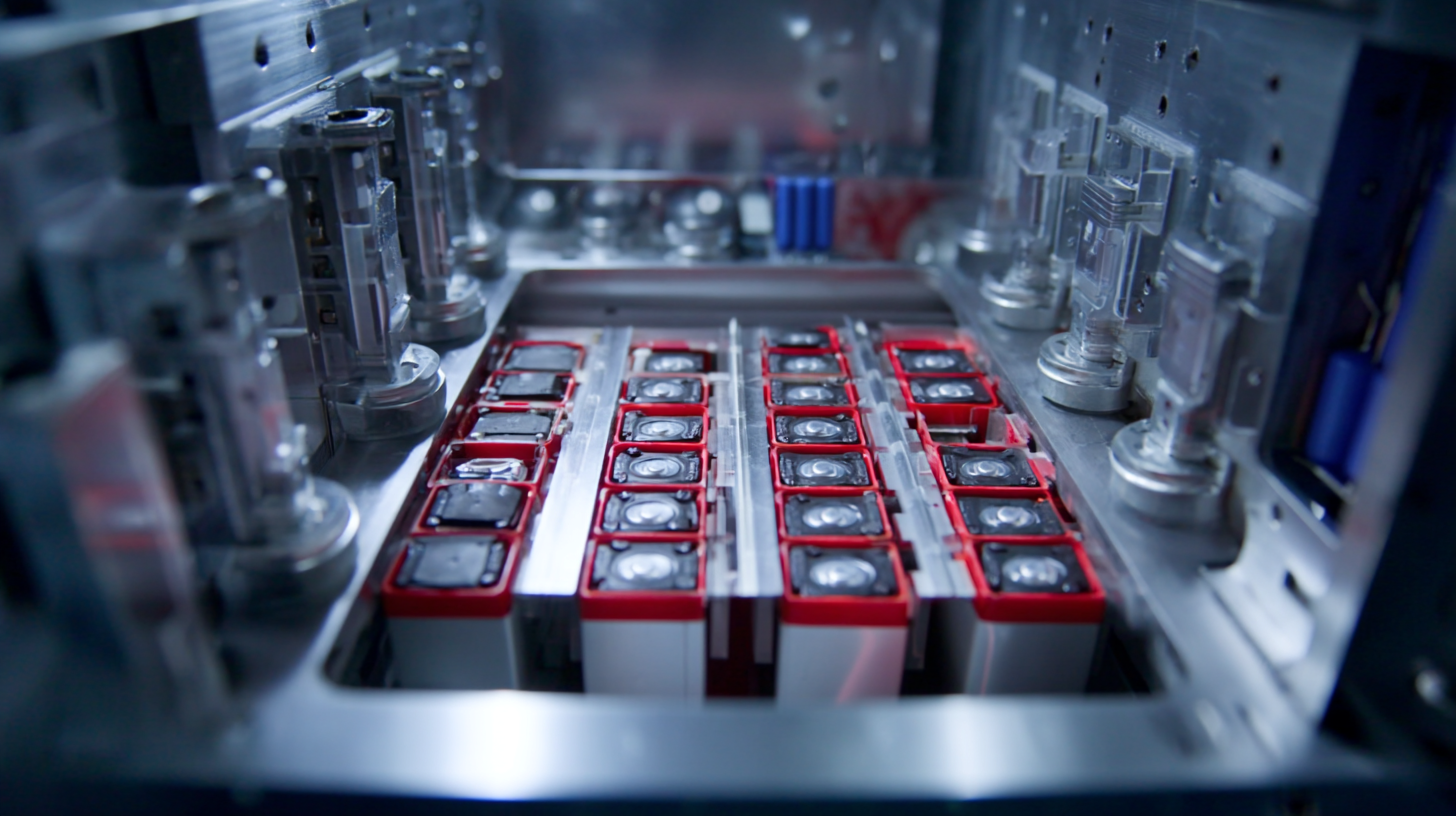
In today's rapidly evolving energy landscape, optimizing energy efficiency remains a top priority for industries reliant on battery technology. Insights from recent industry reports illuminate the importance of advanced testing equipment that supports multi-channel battery testing. A definitive trend is the growing adoption of all-in-one cabinets, which offer a space-efficient solution for battery charge and discharge testing. These cabinets accommodate various battery voltages, ranging from 15V to 100V, making them ideal for diverse applications.
One standout feature of these all-in-one cabinets is their capacity to handle between 32 to 80 channels simultaneously. This multi-channel capability allows for enhanced parallel performance analysis, facilitating quicker and more accurate assessments of battery performance. Industries can benefit significantly from such efficient testing solutions, as they enable rapid data collection and analysis, essential for optimizing battery performance and ensuring longevity. With a strategic focus on energy efficiency, leveraging these advanced testing systems becomes essential for any organization committed to leading in battery technology innovation.
: Innovative techniques include the use of silicon anodes that improve energy density and cycle stability in lithium-ion batteries. Research shows that silicon-based nanostructures can enhance electrochemical performance by over 30%.
New layered oxide cathode materials and doping strategies are being developed to enhance structural stability and Na+ diffusion rates, resulting in increased cycle life and faster charging rates.
Lithium-sulfur batteries have a high theoretical energy density of 2,600 Wh/kg, nearly five times that of traditional lithium-ion batteries, potentially reducing the weight and cost of energy storage systems.
Solid-state batteries utilize a solid electrolyte, offering up to 50% more energy density, improved safety, and longevity, addressing many limitations of conventional batteries.
The global battery testing equipment market is projected to reach a valuation of $1.5 billion by 2028, with a compound annual growth rate of 8.4% from 2021 to 2028, driven by increasing applications in electric vehicles and renewable energy.
Advanced algorithms and AI can optimize the charging and discharging cycles in battery management systems, minimizing energy losses and improving overall performance.
Innovations in battery technology, like solid-state batteries integrated into cyclers, are expected to enhance energy densities and efficiency, leading to more sustainable and effective energy storage solutions.
Current trends indicate a shift towards environmentally sustainable practices in battery technology, aiming to redefine performance standards while meeting growing energy demands.
Battery cycling techniques are evolving to include faster charging times and enhanced performance metrics, which are crucial for the growing EV market.
Future trends suggest a focus on smarter solutions that integrate new technologies, such as solid-state batteries and AI, to improve performance and sustainability in energy storage systems.
If you're into improving energy efficiency and performance, you already know how crucial Battery Cell Cyclers are. These little devices play a big role in fine-tuning how batteries charge and discharge. But honestly, the traditional designs can sometimes be pretty limiting. In this blog, we’re diving into some cool new techniques that can supercharge battery cycling — exploring fresh strategies and cutting-edge tech that could lead to better overall performance.
On top of that, we also look at how different battery tech stacks up. Some of these alternatives show some pretty exciting benefits that might just change the game for energy solutions. As Shenzhen Hongda New Energy Co., Ltd. keeps expanding worldwide, the future of Battery Cell Cycler tech looks pretty promising. There are some really exciting opportunities ahead for boosting energy efficiency in all sorts of applications, helping us keep up with the ever-changing needs of our diverse clients.